The Bedtime Routine That Actually Gets Kids to Sleep (Without the Fight)
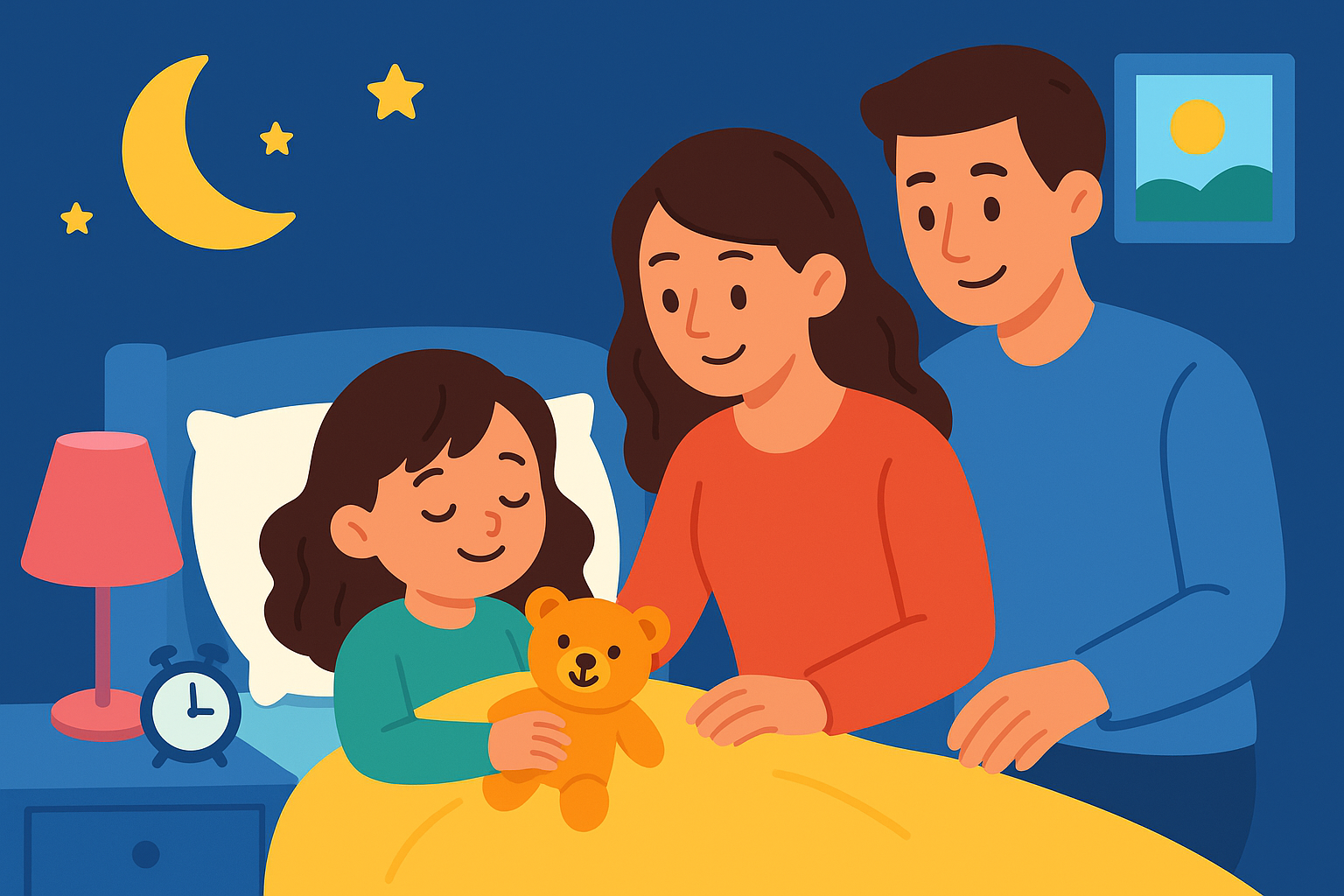
Do bedtime battles feel more like negotiations than goodnight snuggles? Discover how a simple, predictable routine can turn chaotic evenings into calm, peaceful moments. Find out effective strategies to help your kids transition into sleep without the nightly struggles!
Five More Minutes: The Nightly Bedtime Negotiations
"Five more minutes." "I need water." "Can you check for monsters again?" "I'm not even tired!" (immediate sleep in the car the next morning at 7:15am).
If bedtime in your house feels less like a peaceful wind-down and more like a nightly negotiation, you are deeply, deeply not alone. The good news is that bedtime battles are rarely about stubbornness; they're almost always about transition. Kids don't do well jumping straight from high-energy play into "lights out." They need a runway.
Why Bedtime Is So Hard for Kids (and Parents)
By the end of the day, kids are running on empty — but "tired" doesn't always look like sleepy. Overtired kids often get more wired, not less, as their bodies release stress hormones like cortisol and adrenaline to compensate for exhaustion. That's the toddler doing laps around the living room at 8:30pm insisting they're "not tired at all."
A calm, consistent bedtime routine works by slowly lowering that stimulation, phase by phase, so your child's body gets the signal it's safe to power down — instead of asking them to go from zero to sleep in sixty seconds.
Building a Bedtime Rhythm That Works
The most effective bedtime routines follow the same basic shape: wind down, connect, and settle — in that order, every night.
#### Step 1: Wind Down the Body (20-30 minutes before)
Bath time, pajamas, brushing teeth — the physical routine matters as much as the timing. These repetitive, predictable actions signal to your child's brain that bedtime is approaching, even before you say a word about it.
#### Step 2: Wind Down the Mind (10-15 minutes)
This is the part most families miss. After the physical routine, kids still need a mental transition — something calm and connective that shifts them out of "the day" and into "rest mode." A favorite story is the classic version of this, and for good reason: it's predictable, it's connective, and it has a natural stopping point.
#### Step 3: Settle and Say Goodnight
Dim lights, a final tuck-in, and a consistent goodnight phrase or ritual (the same words, the same hug, every night) close out the routine. Consistency here is what makes bedtime feel safe rather than uncertain.
Why Story Time Works So Well for Bedtime
There's a reason "story time" has survived as a bedtime tradition for generations — it hits every mark a good wind-down needs. It's calm. It's connective. It gives kids something to look forward to. And it has a built-in ending, which makes the final "okay, time for sleep" feel like part of the story instead of an abrupt cutoff.
The one thing traditional story time doesn't always solve? Keeping a wiggly, resistant kid engaged enough to stay in bed and calm — especially on nights when they're fighting sleep the hardest.
Meet AdventureHop: A Story Time Upgrade
AdventureHop turns story time into a calm, choose-your-own-path adventure your child helps create. They pick the world — dragons, space, underwater kingdoms — and make gentle choices along the way that shape how the story goes. Every story has a clear ending, so it winds down naturally instead of leaving your child wanting "just one more."
For families who find that regular stories don't hold a resistant kid's attention, this small layer of interactivity is often the difference between a 30-minute battle and a genuinely peaceful goodnight.
Tips to Make Bedtime Stick
- Same order, every night. The predictability is doing more work than you think.
- Start the wind-down earlier than feels necessary. Rushing bedtime tends to backfire.
- Let them make small choices — which pajamas, which story, which stuffed animal — small control reduces big pushback.
- Keep the last 10 minutes screen-free when possible, since bright light and stimulation right before bed can delay melatonin release.
A Calmer Bedtime Is Within Reach
You don't need a perfect routine — just a predictable one. Give your evenings a little more rhythm, and you'll likely find bedtime becoming less of a nightly negotiation and more of a moment you both actually look forward to.
**Ready to make story time the best part of bedtime? Try a free adventure on AdventureHop tonight.
Start Your Adventure →**